
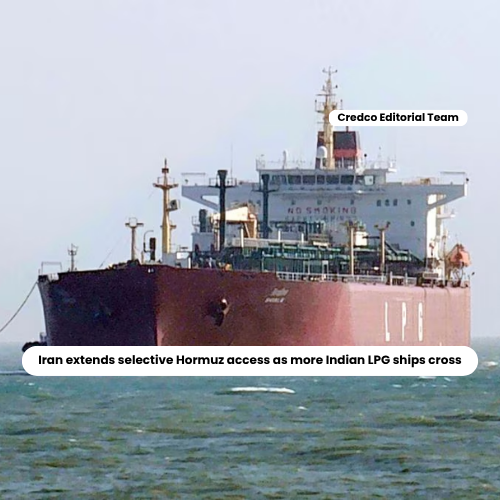
According to reports, two Indian LPG carriers—Jag Vasant and Pine Gas—crossed the Strait of Hormuz this week, transporting over 92,600 tons of LPG. Both vessels followed a route close to the Iranian coastline, similar to earlier shipments that were reportedly granted passage through direct coordination with Iranian authorities. This pattern reinforces the view that Iran is operating a structured verification system for transit approvals.
The latest crossings follow a previous instance where an Indian LPG tanker was guided through a pre-approved corridor by the Iranian navy after diplomatic engagement between New Delhi and Tehran. During transit, Iranian authorities reportedly conducted checks on vessel identity, crew nationality, and cargo details before granting clearance, highlighting a tightly controlled access mechanism.
Market participants believe this selective approach is designed to maintain energy flows to key partners while preserving strategic leverage. Analysts suggest that countries maintaining working diplomatic and trade relations with Iran—such as India—may continue to benefit from this preferential access.
There are also growing expectations that similar arrangements could be extended to China-linked shipments, particularly crude cargoes tied to yuan-based trade. Although no formal policy has been announced, Iran appears to be using Hormuz transit as a geopolitical tool—facilitating trade for select partners while restricting broader commercial movement.
With the Strait of Hormuz still largely constrained, markets remain focused on whether this controlled corridor expands further, as any shift in access could significantly impact global energy flows and pricing dynamics.
Stay ahead of market trends with the Credco app. For any queries, please reach out via WhatsApp at +91 8448083211.